Things to Do in Mandalay in September
September weather, activities, events & insider tips
Low Season · Budget Friendly
September Weather in Mandalay
Long-run averages for September
93°F (34°C)
High Temp
78°F (25°C)
Low Temp
7.0 inches (178 mm)
Rainfall
83%
Humidity
11
Sunny-Day UV
⚠ September is Mandalay's wettest month, with heavy afternoon and evening downpours that can flood low-lying streets within an hour. Streets near the city moat and around Zegyo Market are prone to standing water. Avoid motorbike taxis during active rainstorms as road visibility drops sharply and drainage covers can wash open.
⚠ Mosquito activity peaks during and after September rains. Standing water in gutters, construction sites, and around the moat creates breeding grounds across the city. Use repellent from late afternoon onward, sleep under a treated net if your accommodation does not have screened windows, and consider antimalarial precautions if traveling to rural areas outside Mandalay proper.
⚠ The Irrawaddy River runs at or near its annual high in September, and riverbank areas can flood unpredictably. Exercise caution near the waterfront, confirm ferry and boat schedules the morning of travel, and be prepared for cancellations to Mingun if water levels exceed safe operating thresholds.
Making the most of September in Mandalay? Browse tours and activities in Mandalay on GetYourGuide.
Is September Right for You?
Weigh the advantages and considerations before booking
Advantages
- + Mandalay's major sites are nearly empty in September. The long galleries of Kuthodaw Pagoda, where 729 marble tablets inscribe the entire Pali Canon, feel almost private at this time of year. The predawn face-washing ceremony at Mahamyatmuni Pagoda draws mostly local devotees rather than tour groups. Stand close enough to smell the sandalwood paste as attendants polish the gold-leafed Buddha image. Worth it.
- + Accommodation rates across Mandalay drop significantly in September compared to the November through February peak. Last-minute availability opens up at places that require weeks of advance booking during the cool season. The savings are real. They apply to guided day trips as well, since operators compete harder for the smaller pool of visitors. Book now.
- + The Irrawaddy River runs at or near its annual peak in September. The landscape around Mandalay turns lush, almost tropical green that the parched dry-season months never show. You feel the river from the city: wide, fast, brown with silt, carrying flotillas of bamboo and the occasional wooden cargo boat riding low under rice sacks. Sunrise over U Bein Bridge with monsoon clouds stacked in orange and violet behind the teak pillars is arguably the most dramatic version of that famous silhouette. Don't miss this.
- + September falls within Buddhist Lent, when monks remain in their monasteries for intensive study and meditation. Visitors who time it right can observe the heightened spiritual rhythm of places like the Mahagandayon Monastery in Amarapura. Over a thousand monks file silently for their last meal before noon, bare feet on wet stone. The only sound: the clink of tin alms bowls and the flutter of saffron robes. Arrive early.
Considerations
- − September is Mandalay's wettest month by a clear margin, with 7.0 inches (178 mm) of rainfall and humidity that sits at a sticky 83 percent. The rain tends to arrive in heavy afternoon and evening downpours rather than all-day drizzle. When it comes, it comes hard. Streets near Zegyo Market and the lower parts of the city around 84th Street can flood knee-deep within an hour, and drainage infrastructure struggles. Plan outdoor excursions for the morning. Afternoons belong indoors.
- − The heat-plus-humidity combination makes midday uncomfortable for walking. At 34°C (93°F) with 83 percent humidity, the air sits heavy and wet against your skin. Climbing Mandalay Hill's 1,729 covered steps, normally a manageable 45-minute walk, becomes an endurance exercise by late morning. Dehydration risk is real. Even locals slow down between about 11 AM and 3 PM. Start early.
- − Some outlying roads, the unpaved stretches toward Paleik and certain routes around Inwa, can become difficult or impassable after heavy rain. River crossings at Inwa depend on water levels, and the small ferry occasionally suspends service during peak flooding. Day trips to the ancient cities still operate. Expect occasional delays and detours that add time to your itinerary. Build in buffer time.
Settled on September? Compare hotel prices in Mandalay for your dates on Trip.com.
Best Activities in September
Top things to do during your visit
Mandalay in September sits deep in the monsoon's grip. Daytime temperatures hold around 34 degrees Celsius. The air carries a heaviness that clings to skin and cotton alike, the kind of warmth that slows your stride and makes shade feel like a gift. September is the wettest month of the year here, with roughly 178 millimetres of rain falling in sudden, theatrical downpours that turn the Irrawaddy tawny and send rivulets streaming through the gutters of the old quarter. Between those bursts, the sky clears to a washed-out silver, and the light softens in a way that photographers covet. The rain greens the surrounding hills and countryside to an almost electric intensity. The tamarind trees lining the streets drip long after the clouds have moved on. Locals move with the rhythm of the season, ducking under corrugated awnings when the sky opens, then emerging to resume their business the moment it lets up. Night brings relief. Temperatures ease to around 25 degrees, and the open-air teashops along 78th Street fill with the fragrance of laphet thoke and the low hum of conversation. For travellers willing to embrace the wet season, Mandalay rewards with something the high-season crowds never see. Temples and pagodas that swarm with tour groups in December stand nearly empty. The gold leaf artisans on 36th Street work without an audience, tapping gossamer-thin sheets in the humid quiet. The Irrawaddy runs high and fast, its current visible from Sagaing Hill, carrying cargo boats past the white stupas that dot the western bank. Dining in Mandalay during the rains is its own pleasure: mohinga stalls set up early, the turmeric-gold broth steaming against the cool morning air, and night markets along the canal serve grilled freshwater fish brushed with chilli oil, the charcoal smoke drifting into the damp evening. September is not the easiest month to visit. It is an honest one, the city operating at its own pace rather than performing for visitors. Pack a lightweight rain jacket, shoes that can handle wet pavement, and the patience to let an afternoon shower become part of the experience rather than an interruption.

Amarapura,Sagaing,Mingun,Ava or Innwa
otherThis full-circuit tour threads together four of Mandalay's most storied ancient capitals in a single arc, each one a different chapter of Burmese royal history. At Amarapura, the teak planks of U Bein Bridge stretch more than a kilometre across Taungthaman Lake, their dark wood creaking underfoot as egrets pick through the shallows below. Sagaing Hill rises in a procession of whitewashed stupas and monasteries, the air carrying the low resonance of monks chanting behind sandstone walls, while Mingun's enormous unfinished pagoda stands like a cracked monument to imperial ambition, its brickwork fissured by the 1838 earthquake. Innwa, the old Ava, is reached by a short ferry crossing and explored by horse cart along overgrown lanes where the Bagaya Monastery's carved teak columns glow amber in the filtered light.
Four centuries of Burmese royal power compressed into a single day, each capital preserving a distinct architectural personality that no amount of reading can substitute for standing inside.
Insider tip: Start at Mingun by the first morning ferry when the massive Pahtodawgyi pagoda is still cool enough to climb barefoot, and save Amarapura's U Bein Bridge for late afternoon when the rain clouds often break to reveal a copper-toned sunset over the lake.
This month: September's high water on the Irrawaddy makes the Mingun ferry crossing faster with the current, though departure times may shift if the river is running high after heavy rains.

Mandalay Fullday Sightseeing
day_tripA complete sweep of Mandalay's core, this full-day itinerary moves from the geometric symmetry of the Royal Palace's reconstructed walls and moat to the gilded interior of Mahamyatmuni Pagoda, where monks apply fresh gold leaf to the Buddha image each dawn, the accumulated layers giving the figure a lumpy, almost organic texture. The route includes Kuthodaw Pagoda, sometimes called the world's largest book, where 729 marble slabs inscribed with the Tipitaka sit in individual white stupas arranged in tight rows, their surfaces cool and smooth under your fingertips. Shwenandaw Monastery, the sole surviving wooden structure from the original palace, is carved so densely with celestial figures and floral motifs that the eye struggles to find a bare surface. The day ends at Mandalay Hill, where the covered stairways climb past devotional stations and open onto a terrace with an unobstructed view of the city, the palace moat reflecting the sky below.
The single most efficient way to absorb Mandalay's layered identity, from sacred scholarship at Kuthodaw to the intimate woodwork of Shwenandaw, all with a guide who can decode the iconography.
Insider tip: At Mahamyatmuni Pagoda, arrive before the 04:00 face-washing ceremony if you can manage it. But if not, go immediately after the morning rush clears around 09:00 when the hall is quiet and the gold leaf on the image catches the angled light.

Mandalay Half-Day Sightseeing
guided_experienceA concentrated introduction that covers Mandalay's essential landmarks without the fatigue of a full-day circuit. The half-day format typically takes in Mahamyatmuni Pagoda, Kuthodaw, and Shwenandaw Monastery, giving enough time at each site to linger rather than rush. At Kuthodaw, the silence between the rows of inscription pavilions is broken only by the scuff of bare feet on stone and the occasional chime of a small bell stirred by wind. Shwenandaw's interior smells faintly of old teak and incense, and the play of light through its latticed walls casts geometric patterns across the floor.
For travellers with limited time or those arriving from an overnight bus, this is the sharpest edit of Mandalay's sacred and royal highlights.
Insider tip: Request the morning slot rather than the afternoon; September's rain tends to fall hardest in the mid-to-late afternoon, and the morning light at Shwenandaw Monastery illuminates the interior carvings far better than flat overcast.

Bicycle Food Tour in Mandalay
foodMandalay's food culture runs deeper than most visitors realise, and this bicycle tour cuts through the tourist-facing layer to reach the stalls and shophouses where the city eats. The route weaves through the grid of numbered streets south of the palace, stopping at mohinga vendors whose fish-and-lemongrass broth has been simmering since before sunrise, the surface scattered with crispy fritters and fresh coriander. You taste shan noodles slick with oil and topped with minced pork, fermented tea-leaf salad tossed tableside with roasted peanuts, dried shrimp, and sesame seeds that crunch between your teeth, and thick rounds of tohu thoke, a chickpea tofu salad dressed in tamarind and chilli that carries a sour punch. Cycling between stops, the streets smell of charcoal and garlic, and the pace is slow enough to notice the gold-leaf workshops and puppet makers tucked into the blocks between the food stops.
Mandalay's street food is as specific and layered as its temple architecture, and eating your way through it on two wheels covers ground that walking cannot.
Insider tip: Wear shoes you do not mind getting wet and bring a small towel; September's rain can catch you mid-ride, and the streets develop puddles quickly. But the guides know covered stalls where you can wait out a downpour with a cup of sweet tea.
This month: September heat and rain make hydration essential on the ride. Carry water beyond what is provided, and expect to sweat through your shirt before the first stop.

Day Trip Tour From Mandalay To Pyin Oo Lwin
day_tripThe road from Mandalay climbs east into the Shan Plateau, and within two hours the temperature drops noticeably as the elevation rises to roughly 1,070 metres. Pyin Oo Lwin, the old British hill station of Maymyo, feels like a different country: colonial-era houses with brick chimneys line avenues shaded by silver oaks and eucalyptus, and the air carries a cool, resinous scent that Mandalay's lowland heat never allows. The National Kandawgyi Botanical Gardens spread across 177 hectares of manicured grounds, orchid houses, and an aviary, while the town's central market sells strawberries, avocados, and temperate vegetables that cannot grow in the plains below. Horse-drawn carriages still serve as local transport, their clip-clop echoing on quiet streets. The Peik Chin Myaung cave temple, just outside town, channels a stream through its limestone interior, the water cold and the darkness broken by illuminated Buddha images placed deep inside.
A dramatic climate and cultural shift from Mandalay's tropical lowlands to a temperate hill station in under two hours, offering relief from September's heavy heat.
Insider tip: The drive up passes through the Goteik Viaduct viewpoint. Ask the driver to stop briefly, as the British-era rail trestle spanning the gorge is one of Myanmar's most dramatic pieces of colonial engineering and photographs well even in overcast light.
This month: September rain is lighter at Pyin Oo Lwin's elevation than in Mandalay, and the gardens are at peak green, though paths can be muddy. Bring a layer for the cooler highland air.

Private Mingun - Inwa Full - Day
otherThis private format strips away the group-tour compromises and lets you set your own rhythm across two of the most photogenic sites near Mandalay. The Irrawaddy ferry to Mingun runs against the current heading upriver, the brown water swirling past the bow as the unfinished mass of Pahtodawgyi Pagoda grows larger on the western bank. Up close, the cracks from the 1838 earthquake run deep enough to fit a hand inside, and the scale of the structure, had it been completed, becomes visceral when you stand at its base and look up. The Hsinbyume Pagoda nearby is its opposite: a pristine white confection of concentric terraces meant to represent the mythical Sulamani, each tier smooth and cool underfoot. At Inwa, the horse cart rolls past Bagaya Monastery's 267 teak posts, the wood darkened by age and rain, and the leaning brick tower of Nanmyin, the old watchtower, rises above the surrounding fields like a crooked finger.
Private pacing means you can spend as long as you want inside Bagaya's silent teak hall or circling Hsinbyume's terraces without a guide pulling you toward the next stop.
Insider tip: Bring a zoom lens or binoculars to Mingun. From the top of Pahtodawgyi, the view downriver catches monasteries and sandbanks that are invisible at ground level, and in September the high-water Irrawaddy fills the frame with a wide, fast-moving current.
This month: The Irrawaddy runs at or near its annual peak in September. Ferry service continues but schedules may adjust. Confirm departure times the evening before.
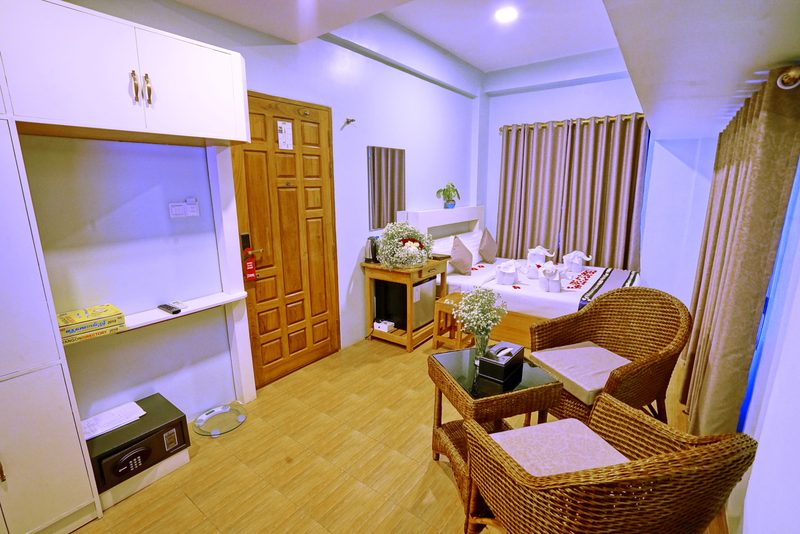
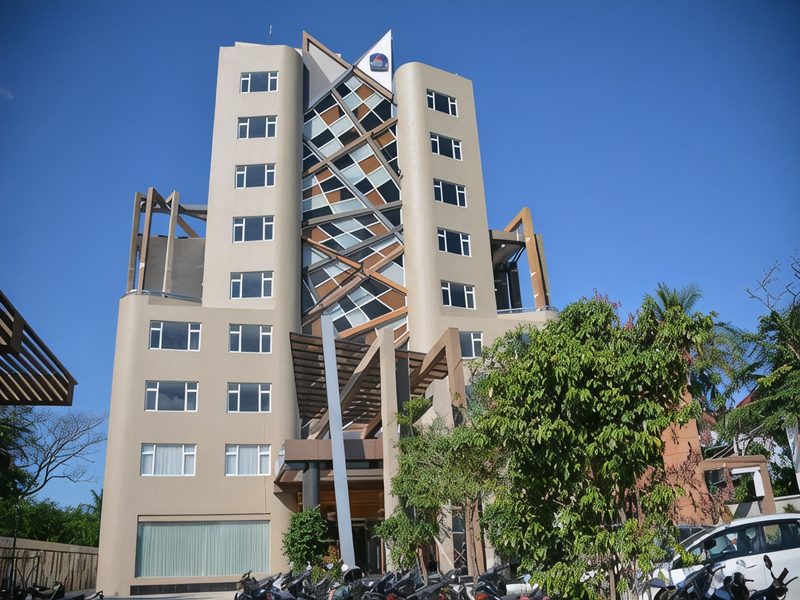
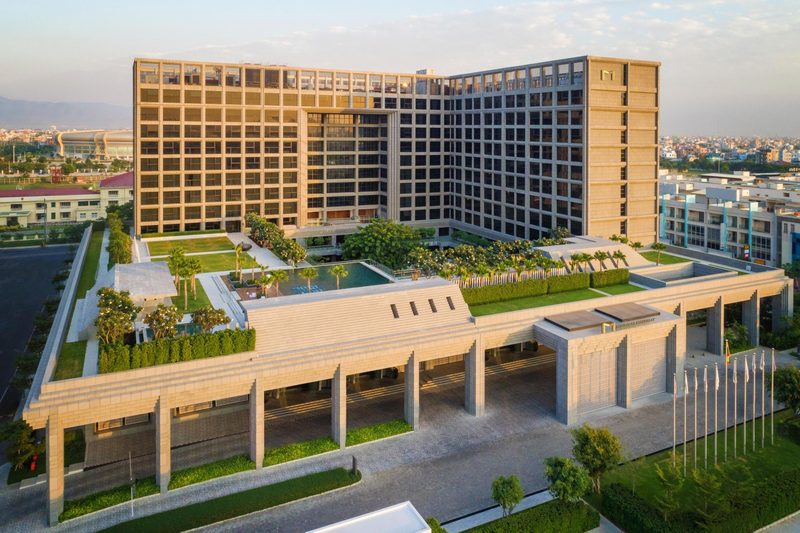
Where to Stay in Mandalay in September
Hand-picked hotels across price tiers for September travellers.
Packing Checklist
Bookmark this page — your progress is saved between visits
Need the full list with shopping links?
Climate-specific gear, brand recommendations, and what to leave at home.
View Mandalay Packing List →Essential Tips
Insider knowledge and common pitfalls to avoid
Insider Knowledge
The face-washing ceremony at Mahamyatmuni Pagoda begins around 4 AM, and it is worth the early alarm. Monks ritually wash and apply thanaka paste to the gold-leafed Buddha image while devotees press close in the candlelit hall, the air thick with sandalwood. By 5:30 AM, the spiritual intensity fades as the hall shifts to regular worship. Getting there before 4 AM means a place near the front. This is not a tourist event. It has happened daily for generations.
Mandalay's tea shops are the social infrastructure of the city, and sitting in one for an hour teaches you more about daily life than any guided tour. The tea shops along 80th Street between 27th and 29th Streets open before dawn and serve laphet yay, strong sweet tea with condensed milk, alongside plates of Indian-influenced samosas and naan with chickpea curry. Pull up a tiny plastic stool. Order by pointing. Nobody will rush you.
September's heavy rains raise the Irrawaddy's water level to within a few meters of the bank tops, and the river becomes a spectacle in itself. Walk or take a trishaw to the riverfront near Gaw Wein Jetty in the late afternoon, when the light turns golden and cargo boats navigate the current. The scale of the river in flood is something photographs rarely capture. It feels like an inland sea.
If you want to see Mandalay's traditional puppet workshops, look for the marionette makers in the blocks around 62nd and 63rd Streets between 26th and 27th. These artisans carve, string, and dress the yoke the puppets used in classical Myanmar theater, and the workshops are typically happy to demonstrate how the 28-string marionettes work. During monsoon months, with fewer visitors interrupting, craftspeople tend to be more willing to show the full range of movements and explain the stories behind each character.
Avoid These Mistakes
Scheduling outdoor activities for the afternoon. In September, the pattern is predictable enough to plan around: mornings are often partly sunny and workable. But by 1 or 2 PM, clouds mass and the rain hits hard. Travelers who save Mandalay Hill or U Bein Bridge for the afternoon end up drenched, disappointed, or both. Flip your schedule. Start at dawn. Do temples and outdoor sites by 11 AM, then shift to craft workshops, tea shops, or your accommodation through the rainy hours.
Underestimating hydration needs. The combination of 34°C (93°F) heat and 83 percent humidity is deceptively exhausting because the sweat does not evaporate. It just sits on your skin, giving the false impression that you are not losing fluid. Travelers who drink only when thirsty end up with headaches and dizziness by midday. Carry water constantly. Add electrolytes. This matters when climbing Mandalay Hill or cycling.
Assuming the ancient cities circuit works the same as in dry season. The standard Amarapura-Inwa-Sagaing-Mingun loop that takes a comfortable full day in January can hit unexpected obstacles in September: flooded roads near Inwa, delayed or cancelled boat service to Mingun when the Irrawaddy runs too high, and muddy paths at Sagaing that turn leather-soled shoes into skating equipment. Build in extra time, wear appropriate footwear, and confirm river conditions with your guide the morning of the trip rather than assuming the plan from three days ago still holds.
Short on time? See day trips around Mandalay on GetYourGuide.
Ready to plan your trip to Mandalay?
Now that you've got the research covered, here's where to go next.
Explore More Activities in Mandalay
Didn't see anything interesting yet?
Browse Viator's full catalog of tours, day trips, food experiences, and private guides in Mandalay.
See All Mandalay Tours on Viator